

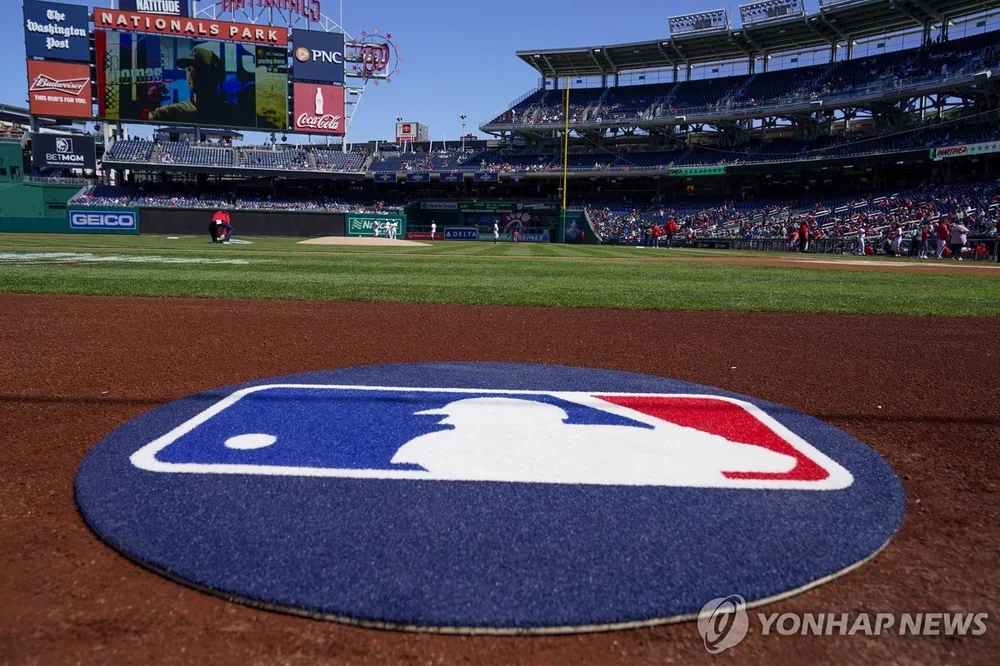
Major League Baseball (MLB) officials and the Players Association have launched their first collective bargaining session to replace the current labor agreement, which expires on December 1 (local time). The primary point of contention is expected to be the introduction of a salary cap.
According to the Associated Press on May 13 (Korean time), the MLB office and the players’ union met on May 12 (local time) to begin negotiations for a new collective bargaining agreement. Neither side disclosed their specific positions on the first day of talks, and both parties refrained from commenting after the meeting.
However, the potential implementation of a salary cap—a limit on total team payrolls—is anticipated to become the central issue in these negotiations. MLB is the only one among the four major professional sports leagues in the United States that does not have a salary cap.
The league office, representing the owners, is likely to advocate for the inclusion of both a salary cap and a salary floor to promote competitive balance across the market. In contrast, the Players Association opposes the salary cap, arguing that it would reduce spending on players.
If both sides maintain their current stances, the negotiations are expected to be challenging. Clay Holmes of the New York Mets, who attended the talks as part of the players’ union delegation, described the first meeting as “a chance for both sides to sit down together for the first time and share thoughts on how they see the current situation and what they believe is best for the future of baseball.”
The current collective bargaining agreement is set to expire on December 1. If a new deal is not reached by then, the MLB office is expected to impose a lockout. During the previous round of negotiations five years ago, a new agreement was not finalized until March 10 of the following year, well past the expiration date, resulting in a 99-day lockout that began on December 2, 2021.
